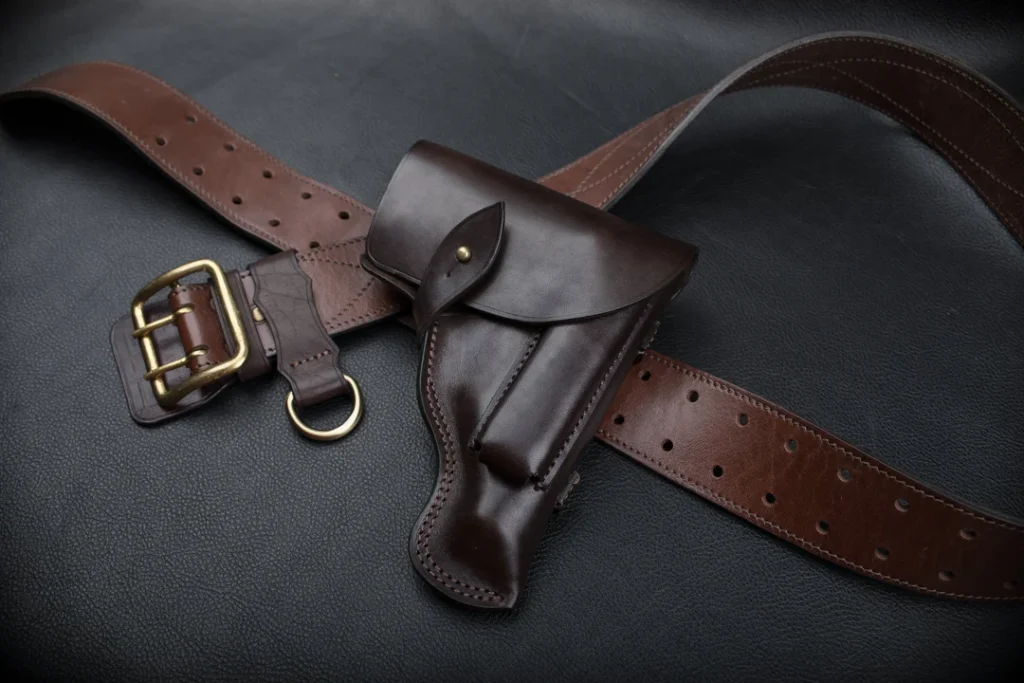

Daily carry habits require balance during walking, standing, bending, or seated routines. Stable placement helps prevent unwanted shifting through regular movement periods. Many users search for practical information because poorly fitting shoes create pressure during active schedules. Several people select sig sauer holsters rounded gear, since structured positioning supports smoother carrying habits throughout changing activities. Weak attachment systems often create discomfort during longer outdoor or indoor responsibilities. The following sections explain organized placement methods, helping users maintain dependable movement support each day.
Balanced Positioning During Regular Movement
Reliable placement depends on proper fitting rather than quick assumptions or random choices. Stable alignment helps reduce repeated adjustments during active schedules.
- Flexible attachment sections improve movement during longer standing routine periods
- Curved carrying shapes support smoother body alignment beneath daily clothing selections
- Reinforced outer materials reduce unwanted shifting during repeated walking situations
- Adjustable pressure systems assist balanced positioning throughout regular movement activities
Careful setup usually creates steadier support during changing movement conditions.
Clothing Structure Influences Daily Placement
Loose clothing often helps reduce the visible outline during public movement situations. Tight-fitting material may increase pressure around waist positioning areas. Seasonal outfit changes also affect carrying stability during longer schedules. Balanced clothing selection helps maintain smoother positioning throughout repeated daily activity periods.
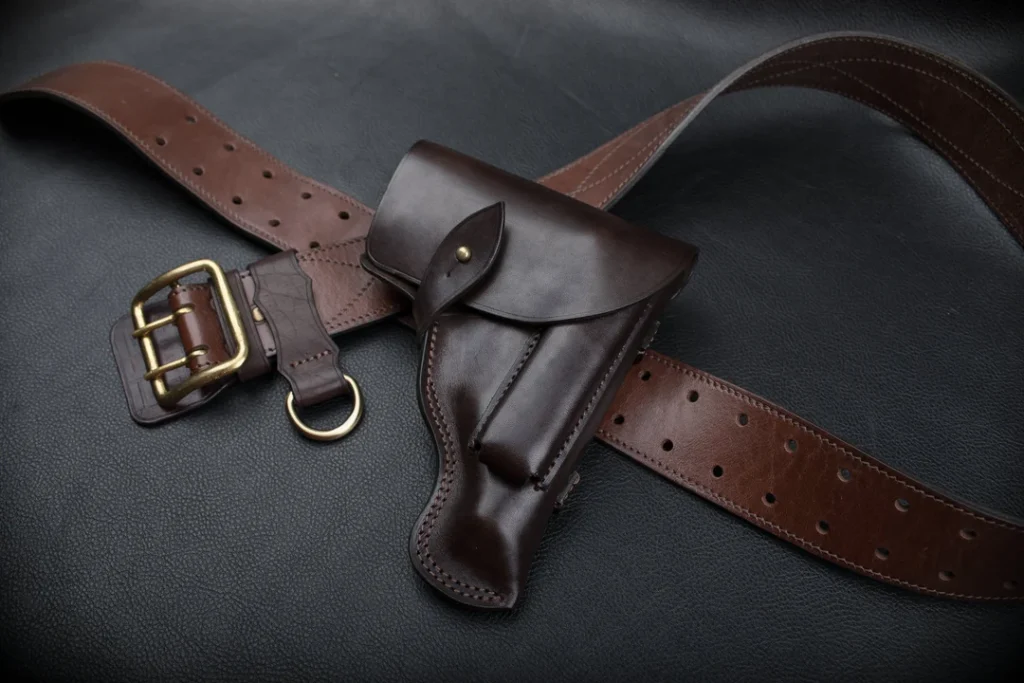
Stable Materials Reduce Daily Pressure
Strong outer structure supports dependable positioning during repeated carrying schedules. Lightweight surfaces often reduce body strain throughout extended movement situations. Flexible shaping may improve carrying balance beneath regular clothing combinations.
Organized Attachment Methods during Activity
Structured positioning works better than guesswork during active movement conditions. Stable attachment systems often reduce repeated adjustment throughout changing schedules.
- Lightweight clip structures support smoother movement during crowded public routines
- Sweat-resistant surfaces maintain cleaner storage conditions throughout warmer daytime periods
- Flexible waistband shaping improves balanced placement near natural body alignment sections
- Reinforced stitching helps maintain dependable support during repeated carrying movement schedules
- Curved body fitting reduces pressure throughout longer seated activity situations daily
- Smooth inner surfaces help limit rubbing during repeated outdoor movement periods
- Smaller attachment sizes support easier concealment beneath changing clothing combinations regularly
- Adjustable retention pressure improves stable positioning during repeated standing responsibilities continuously
Simple placement reviews often improve long term carrying consistency throughout active schedules.
Testing Habits during Repeated Usage
Several users choose sig sauer holsters rounded gear after reviewing movement support during repeated schedules. Regular testing helps identify pressure points affecting body movement throughout daily responsibilities. Carrying arrangements often improve through consistent adjustment rather than immediate changes. Small corrections usually create steadier placement during long activity periods.
Simple Daily Carry Planning Steps
Planned carrying habits reduce confusion during changing movement schedules. Small routine checks often improve long term positioning balance.
- Choose a stable placement before leaving home daily.
- Review clothing fitting during repeated movement situations.
- Adjust retention pressure after extended standing periods.
- Check attachment stability during seated working schedules.
- Clean inner surfaces after warmer outdoor activity periods.
Honest Review of Carry Problems
Several people fail because placement decisions rely only on appearance preferences. Weak attachment systems often create shifting during longer movement schedules. Clothing changes may also affect carrying stability more than expected. Consistent review helps reduce repeated positioning mistakes during active routines.
Steady Habits Build Better Positioning
Reliable carrying routines depend on testing, adjustment, patience, and repeated review practices. Organized placement usually improves movement support during changing schedules each day. Balanced attachment methods often reduce unnecessary repositioning across longer activity periods. Careful observation helps users identify practical changes supporting smoother daily carrying conditions. Consistent routines create dependable results more effectively than rushed equipment decisions.