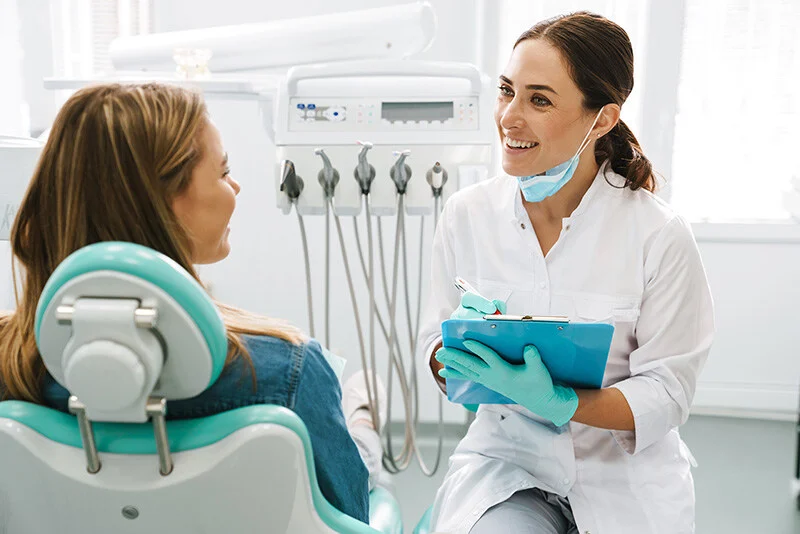

Understanding the Connection Between Orthodontics and Childhood Confidence
For many children, the prospect of visiting the dentist can trigger feelings of apprehension and unease. However, orthodontic treatment has emerged as an unexpected ally in transforming these negative associations into positive experiences that shape lifelong attitudes towards oral health. When children receive orthodontic care in a supportive environment from a Specialist Orthodontist Battersea & Kensington, they not only gain straighter teeth but also develop a sense of ownership over their dental wellbeing that extends far beyond the treatment room.
The relationship between orthodontic intervention and reduced dental anxiety is rooted in several psychological and practical factors. Children who undergo orthodontic treatment become familiar with dental settings through regular appointments, gradually desensitising them to the clinical environment. This repeated exposure, coupled with the visible improvements they witness in their own smiles, creates a positive feedback loop that reinforces the value of dental care. Moreover, orthodontists specialise in working with younger patients, employing communication techniques and treatment approaches specifically designed to put children at ease.
The Role of Early Intervention in Building Trust
Early orthodontic assessment allows practitioners to identify potential issues before they become more complex problems requiring extensive intervention. When children receive timely care from a dentist, they experience less invasive treatments that are often shorter in duration and more comfortable. This gentle introduction to orthodontic care establishes a foundation of trust between the child and their dental healthcare providers, making future appointments feel less daunting.
Parents play a crucial role in this process as well. When families understand that managing anxiety in young dental patients requires patience and preparation, they can better support their children through the treatment journey. Simple strategies such as discussing what to expect during appointments, reading age-appropriate books about orthodontics, and celebrating milestones throughout treatment all contribute to a more positive experience.
How Orthodontic Treatment Creates Routine and Responsibility
One of the most significant benefits of orthodontic treatment extends beyond the clinical outcomes. Children who wear braces or other orthodontic appliances must adhere to specific care routines, including meticulous brushing, flossing techniques adapted for their appliances, and dietary modifications.
These requirements naturally instil habits of responsibility and self-care that become second nature over time. The daily rituals associated with maintaining orthodontic appliances teach children that their actions directly influence their outcomes, a lesson that proves invaluable throughout their lives.
Developing Independence Through Structured Care
As children progress through their orthodontic journey, they gradually assume greater responsibility for their oral hygiene routines. What begins with parental supervision evolves into independent practice, fostering a sense of autonomy and pride in maintaining their dental health. This transition mirrors broader developmental milestones, allowing children to demonstrate maturity and capability in managing their own wellbeing. The structured nature of orthodontic care provides clear goals and measurable progress, which can be particularly motivating for young patients who thrive on achievement and recognition.
The Social and Emotional Benefits
Beyond the practical aspects of oral hygiene, orthodontic treatment addresses aesthetic concerns that may affect a child’s self-esteem and social interactions. Children who feel self-conscious about crooked teeth or bite issues often experience relief when they begin treatment, knowing that improvement is underway. For parents seeking guidance on helping children feel comfortable with orthodontic procedures, understanding the emotional dimensions of treatment proves essential to providing comprehensive support.
The visible transformation that occurs during orthodontic treatment serves as a tangible reminder of the benefits of consistent dental care. As children witness their smiles improving over months and years, they develop an appreciation for long-term health investments rather than seeking only immediate gratification. This perspective shift influences how they approach overall health and wellness habits as they mature into adolescence and adulthood.
Building a Foundation for Lifelong Oral Health
The habits and attitudes cultivated during childhood orthodontic treatment create lasting patterns that persist well into adulthood. Adults who received orthodontic care as children typically maintain better oral hygiene practices, attend regular dental appointments, and experience fewer dental anxieties than those who did not. The investment in orthodontic treatment thus yields dividends far beyond straight teeth, contributing to comprehensive oral health and overall wellbeing throughout one’s lifetime. By addressing dental concerns early and in a supportive manner, orthodontic care transforms potential sources of anxiety into opportunities for growth, confidence, and the establishment of healthy habits that endure for generations.